Kenza Serif Font: A Minimalist Typeface for Handmade Branding
When you are designing a product that needs to speak quietly but confidently, the typeface you choose becomes your silent salesperson. For handmade sellers, printable creators, and small business owners, finding a font that balances elegance with commercial utility is often the hardest part of the branding process. Enter Kenza, a serif type font that brings a touch of sophisticated minimalism to every project it touches. Inspired by clean, iconic logo designs, Kenza is not just another decorative script; it is a versatile display font built for clarity, style, and high-impact visual communication.
The Visual Personality of Kenza
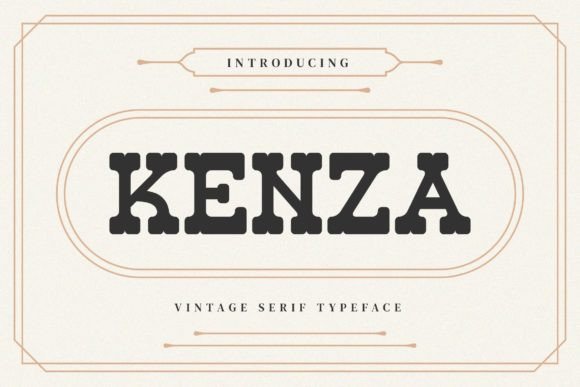
At first glance, Kenza feels familiar yet distinct. Its design draws inspiration from famous minimalist logos, which means it carries an inherent sense of balance and proportion that designers instinctively trust. As a serif font, it retains the classic character and warmth associated with traditional typography, but it strips away unnecessary flourishes to focus on what matters most: readability and modern appeal. The serifs are crisp, offering a slight anchor to the letters without overwhelming the eye. This makes Kenza exceptionally well-suited for projects where legibility is key, such as product labels, packaging design, and social media graphics.
The charm of Kenza lies in its restraint. It does not shout; it invites. This quality is invaluable for crafters who want their products to feel premium. Whether you are creating a boutique tag for a handmade candle or a welcome board for a wedding, Kenza adds an air of professionalism that elevates the perceived value of your work. It bridges the gap between rustic charm and contemporary chic, making it a perfect fit for farmhouse decor, modern stationery, and sleek digital downloads.
Practical Applications for Crafters and Sellers
One of the biggest challenges in the handmade industry is ensuring that your typography looks good on both screen and physical product. Kenza excels in this area because its clean lines translate beautifully across various mediums. Here is how this creative font can transform your specific product lines:
- Product Labels and Stickers: For items like bath bombs, soaps, or jars of honey, space is often limited. Kenza’s minimalist structure ensures that text remains readable even at smaller sizes. It works wonderfully for ingredient lists, brand names, or short slogans on circular or rectangular stickers.
- Invitations and Stationery: If you sell printable wedding invitations or baby shower cards, Kenza provides a refined backdrop. It pairs elegantly with dates, venue details, and RSVP information. Its serif nature adds a touch of formality that guests appreciate, while its modern twist keeps it from feeling stuffy or outdated.
- Wall Art and Prints: Digital wall art is a huge market on platforms like Etsy. Kenza is ideal for typographic prints, motivational quotes, or nursery decor. Because it is a display font, it commands attention when used in larger sizes, making it perfect for focal points in home decor.
- Cut Files for Cricut and Silhouette: For makers who cut vinyl, iron-on transfers, or cardstock, Kenza’s clean vector shapes render sharply. It is excellent for t-shirt designs, tote bags, and wooden signs. The lack of excessive detail means fewer registration issues during cutting, resulting in cleaner final products.
- Packaging Design: First impressions matter. Using Kenza on your product boxes, hang tags, or shipping inserts reinforces a cohesive brand identity. It signals to the customer that you pay attention to detail, which can lead to higher retention and positive reviews.
Readability and Design Tips
While Kenza is beautiful, using it effectively requires an understanding of its strengths. As a modern typography choice, it shines brightest when used for short phrases, names, titles, and headlines. It is less suited for long paragraphs of body text, though it can handle subheadings with ease. When designing for small formats, such as mug wraps or tiny gift tags, ensure you leave adequate white space around the text. The negative space allows the serifs to breathe and prevents the design from looking cluttered.
For digital mockups and previews, Kenza’s neutral elegance ensures that your product photos remain the star. It enhances the image without competing with it. When creating SVG-style designs or layered PDFs, consider testing different weights if available. A bold weight can serve as a powerful anchor for a logo, while a lighter weight might work better for delicate accents or secondary information.
Font Pairing Strategies
No single font tells the whole story. To create a dynamic and professional look, Kenza benefits greatly from thoughtful font pairing. Since Kenza is a clean serif, it pairs naturally with contrasting styles that add personality without chaos.
Consider pairing Kenza with a flowing script font or a casual handwritten font for personal touches. For example, use Kenza for the main title "Happy Birthday" and a handwritten script for "From Sarah." This combination offers a nice balance of structure and warmth. Alternatively, pair it with a simple sans serif font for functional text like addresses or terms and conditions. The geometric cleanliness of a sans serif complements the organic curves of Kenza’s serifs, creating a harmonious visual hierarchy.
Technical Details and Licensing
Before downloading any design assets, it is crucial to review the technical specifications. Check if Kenza includes multiple styles, alternates, ligatures, or swashes. These features can significantly enhance your design flexibility, allowing you to customize text for unique brand needs. Also, verify multilingual support if you plan to target international markets. Most premium fonts come in standard file formats like .OTF or .TTF, which are compatible with major design software including Adobe Illustrator, Photoshop, Canva, and Inkscape.
Finally, always adhere to proper licensing agreements. Even though you are selling physical products, using a font commercially usually requires a commercial license. This protects you legally and supports the type designer. Ensure your license covers the types of products you intend to make, whether they are physical goods, digital templates, or client work. By choosing a licensed commercial font like Kenza, you invest in the longevity and professionalism of your handmade business.